

What Factors Influence the Quality of Raw Pu Erh Tea Leaves
Discover the essential methods for identifying superior raw Pu-erh tea leaves, sourced directly from the ancient tea forests of Yunnan. From the influence of terroir and the age of the tea trees to expert harvesting techniques, precise processing, and sensory indicators such as aroma, liquor clarity, and flavor depth, we examine every critical factor—including proper storage, compression quality, and common pricing pitfalls. Whether you are a beginner or a seasoned tea enthusiast, these insights, drawn from Tea & Leaf’s premium sourcing practices, will help you master the selection process and enhance your brewing experience.
Key Takeaways:
-
Terroir from ancient Yunnan forests, including soil, altitude, and climate, profoundly shapes raw Pu Erh’s flavor complexity and quality.
-
Age of wild tea trees and hand-picked harvesting ensure premium leaves with rich nutrients and minimal damage.
-
Traditional processing, gentle handling, and proper storage preserve aroma, clarity, and evolving taste profile over time.
Terroir and Environmental Conditions
Hey, have you ever wondered why raw pu erh from different spots in Yunnan Province tastes so unique? It’s all about terroir, the natural environment, soil, and climate that give us that one mountain one flavor magic from ancient tea trees.
Yunnan’s pollution-free conditions play a huge role. No artificial fertilization or pesticide spraying means the tea leaves stay pure, absorbing clean mountain air and mineral-rich soil. This results in superior raw materials with vibrant floral notes and cha qi.
Key areas like Lincang, Menghai, Ban Zhang, Xishuangbanna, and Simao each offer distinct profiles. For example, Lincang tea often shows woody aroma, while Menghai tea brings earthy notes. These tea origins shape the tea quality from the start.
Explore how ancient tree tea from these regions enhances sheng pu erh flavor complexity. High-altitude climates and natural withering boost leaf quality, setting the foundation for tea aging and premium pu erh.
Cultivation and Harvesting Practices
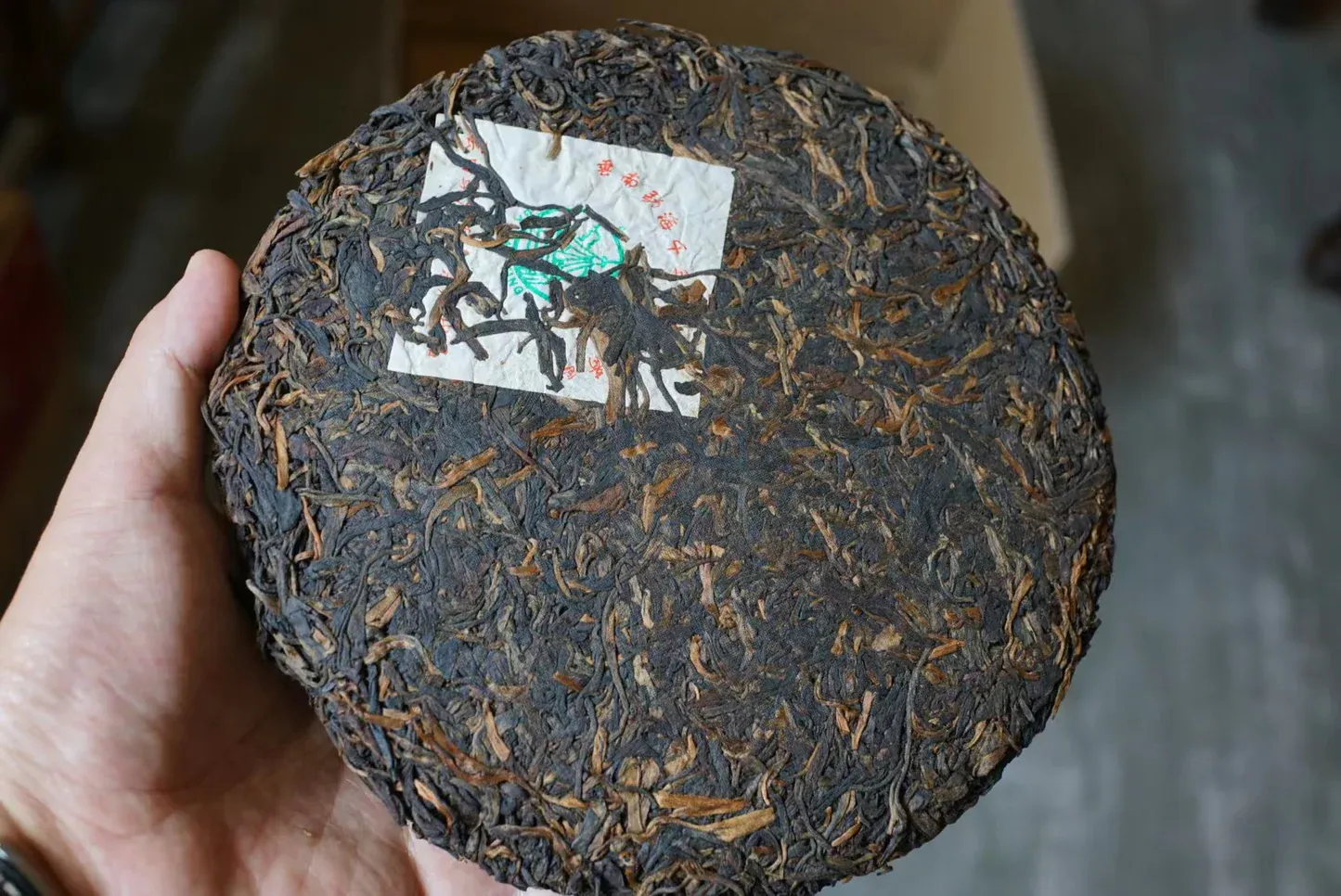
Great cultivation starts with careful harvesting think hand-picked Spring tea from ancient tree tea in Yunnan large-leaf varieties, ensuring top tea pick quality without rushing like in mass production 10,000 tons operations.
Sustainable practices keep pesticide spraying to a minimum, favoring pollution-free fields with no artificial fertilization. This preserves the natural environment of ancient tea trees, leading to cleaner raw pu erh leaves full of vibrant flavor complexity.
Seasonal picks matter greatly, like Autumn tea for its balanced earthy notes or Summer tea for subtle woody aroma. Hand-plucking one bud and two leaves at a time boosts leaf quality, setting premium pu erh apart from rushed machine harvests.
At Tea & Leaf, we source from Yunnan province regions like Menghai and Lincang, where one mountain one flavor shines through in every batch. These methods ensure imperial grade raw materials, perfect for natural aging into exceptional sheng pu erh.
Visual Assessment of Dry Leaves
Take a close look at those dry leaves high-quality raw Pu Erh tea shows tight, uniform buds in imperial grade, easily hitting pu’er grading standards like grade 6 or grade 7 for superior leaf quality.
Examine the tea leaves for even color, typically a deep green with subtle silver tips in Sheng Pu Erh. Authentic leaves from Yunnan province, such as those from Menghai tea or Lincang tea regions, display a tight twist that signals careful tea pick quality and processing.
Look for minimal stems and breakage, which point to ancient tree tea origins and proper fresh leaf withering. Compression level in forms like tea cakes or tuo cha should feel firm yet not overly dense, preserving raw materials integrity for tea aging.
These visual cues link directly to Sheng Pu Erh authenticity, helping you spot premium selections. Tea & Leaf’s pu erh tea inspection guides offer detailed visuals, with global shipping making it simple to source and compare high-grade options from home.
Processing and Leaf Handling
Processing raw pu erh is an art, starting with fresh leaf withering at precise withering temperature to lock in that raw tea vibrancy, much like green tea but headed for pu erh tea greatness. This step softens the leaves and reduces moisture without damaging their structure. Proper control here sets the foundation for vibrant floral notes and lasting tea aroma.
Next comes the kill-green step, where leaves are quickly stir-fried in hot woks to halt oxidation. Factories like Menghai Dayi and Kunming Tea Factory excel at this, using skilled workers to evenly heat the leaves. This preserves the leaf quality essential for sheng pu erh with complex cha qi.
Rolling follows, shaping leaves to release enzymes and juices for better infusion later. Lan Cang Tea Factory employs traditional methods to ensure uniform rolling, enhancing flavor complexity. Gentle handling prevents breakage, crucial for premium ancient tree tea.
Finally, sun-drying dries the rolled leaves naturally under Yunnan skies, locking in earthy notes. Factories use blend formula for quality control, mixing leaves from areas like Menghai tea and Ban Zhang for balanced pu-erh tea. This careful process yields high-grade raw materials ready for pressing into tea cakes or tuo cha.
Origin and Tea Tree Age
The real magic? Tea origin and tea age. Ancient tea trees in Menghai, Lincang, or Ban Zhang yield pu’er tea with depth that young bushes just can’t match, straight from spots like Six Famous Tea Mountain Factory.
Old trees from Pu’er and Simao regions in Yunnan province produce leaves rich in flavor complexity. These ancient tea trees, often centuries old, draw minerals from deep soil, creating earthy notes and woody aroma. Young bushes lack this cha qi potency.
Tea & Leaf sources from trusted spots like Haiwan Tea Factory and Long Sheng Tea Factory for authentic ancient tree tea. This ensures raw pu erh from pristine, pollution-free areas without artificial fertilization or pesticide spraying. The result shows in the tea aroma and liquor color during gongfu brewing.
One mountain one flavor holds true here. Menghai tea offers camphor scent, while Lincang tea brings floral notes. Pick premium pu erh from these origins for superior tea quality in sheng pu erh or shou pu erh.
Storage Conditions
Proper storage conditions are key for raw pu erh, think cool, dry spots with temperature humidity control to support natural aging and enhance that aging process over years. Moisture is the biggest enemy, as it can lead to unwanted mold growth on tea cakes or tuo cha. Experts recommend keeping humidity below safe levels to preserve tea quality.
Avoid direct sunlight and heat sources, which speed up oxidation and dull the floral notes and camphor scent in sheng pu erh. Store in breathable containers like paper bags or cotton cloths, following Tea & Leaf’s advice for pu erh tea preservation. This setup allows slow tea aging while maintaining leaf quality.
For premium pu erh from regions like Menghai or Lincang, consistent temperature humidity control around cool room conditions works best. Rotate tea bricks occasionally to ensure even aging, preventing any dry leaves from sticking. This practice enhances flavor complexity and cha qi over time.
-
Choose dark, ventilated spaces away from kitchens or bathrooms.
-
Use breathable wrappers to mimic traditional Yunnan storage methods.
-
Monitor for any off odors, indicating poor storage conditions.
-
Label by tea age and tea origin for tracking aging process.
Aroma Characteristics
Sniff that tea aroma—top raw Pu Erh boasts floral notes evolving into earthy notes, woody aroma, and even camphor scent as it ages beautifully. The scent profiles shift based on tea origin, with teas from Feng Qing Tea Factory often showing bright floral hints. These aromas reveal the natural environment and ancient tea trees in Yunnan Province.
Leaf quality plays a key role in defining these scents, especially in sheng pu erh from areas like Lincang tea or Ban Zhang. High-grade leaves from ancient tree tea carry subtle floral notes that deepen during tea aging. Dry leaves from premium sources hold onto these traits through careful storage conditions.
To fully unlock aroma characteristics, try gongfu brewing with a Gaiwan teapot or Yixing teapot. Short infusions release layers, from fresh orchid-like florals to rich earthy notes. This method highlights flavor complexity in tea cakes or tuo cha.
Origins like Menghai tea bring bold woody aroma, while raw materials from pollution-free zones enhance the camphor scent over time. Processing techniques such as fresh leaf withering preserve these profiles. Experts recommend sniffing dry leaves first, then brewed liquor, to assess true tea quality.
Liquor Color and Clarity
Brew it up and check the liquor color young sheng pu erh gives a bright yellow-green hue in raw pu erh, clear with that energizing cha qi. This vibrant shade comes from high levels of internal components like catechins and amino acids in premium leaves from Yunnan province. Clarity shows clean processing and leaf quality, free from excess dust or broken bits.
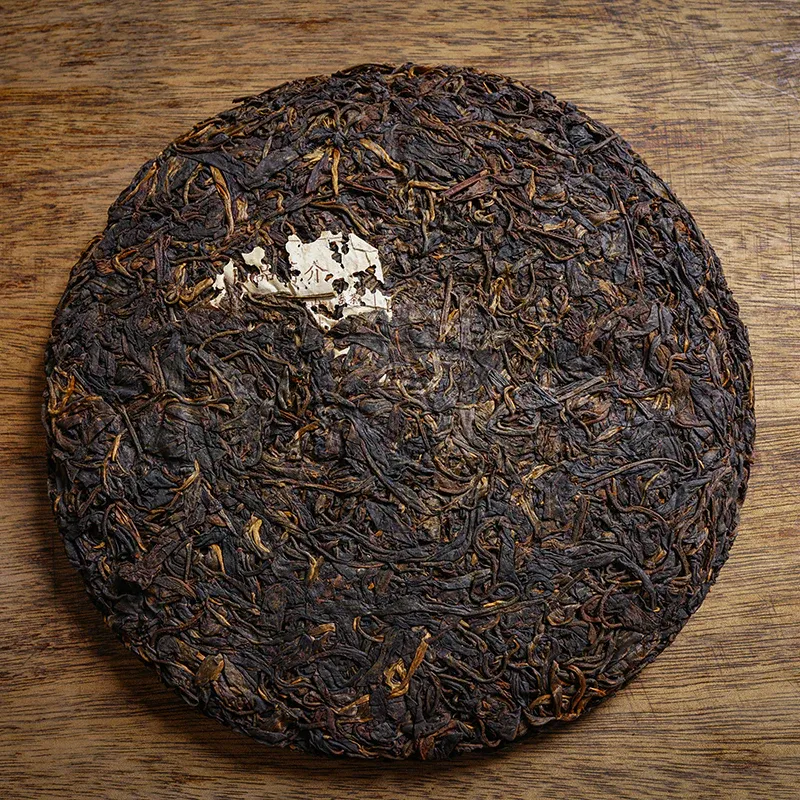
Aged raw Pu’er tea shifts to a deeper amber or golden tone as aged tea aging transforms those components. Expect a crystal-clear brew from well-stored tea cakes or tuo cha, reflecting careful storage conditions with controlled temperature and humidity. Muddy liquor often signals poor tea origin or over-compression during production.
Compare this to ripe pu erh or Shou Pu Erh, where the mold-fermentation process yields a rich reddish-brown color right away. High tea quality in imperial grade leaves from areas like Menghai tea or Ban Zhang ensures smoothness without sediment. Use a gaiwan teapot or Yixing teapot for gongfu brewing to best observe these traits.
For precise evaluation, follow Gongfu-style brewing tutorials to highlight liquor color differences tied to processing techniques and ancient tree tea sources. Clear, appealing hues indicate balanced flavor complexity, from floral notes in young sheng Pu Erh to earthy notes in aged tea. This simple check reveals much about overall pu erh tea excellence.
Flavor Profile and Complexity
Flavor complexity is where Pu’er tea shines, layers of earthy notes, floral notes, and that lingering cha qi, best revealed through gongfu brewing.
The taste evolution of sheng pu erh changes over time with proper Pu Erh Tea aging. Young leaves offer bright, astringent flavors, while aged tea develops woody aroma and camphor scent. This shift depends on storage conditions like temperature and humidity control.
One mountain one flavor captures the unique tea origin in Yunnan Province. For example, Menghai Dayi tea brings bold earthy notes, Lincang tea adds subtle sweetness, and Ban Zhang delivers intense cha qi. Ancient tea trees from pollution-free areas enhance this flavor complexity.
Tea & Leaf’s rare loose-leaf Pu Erh teas from imperial grade raw materials preserve these profiles. Pair them with a Yixing teapot or gaiwan teapot for optimal enjoyment during gongfu brewing. Explore tea cakes, tuo cha, or tea bricks like the classic 7562 brick to taste the natural environment’s influence.
Compression Quality
Compression quality matters for tea cakes, tuo cha, and tea bricks. Firm but not too tight, like the classic 7562 brick, ensures even aging. This balance allows air circulation essential for the aging process in raw pu erh.
Ideal compression level prevents over-packing that blocks oxygen flow. Too loose, and the tea leaves shift during storage, disrupting uniform tea aging. Products from Pu’er Tea Factory and Pu’er Tea Group Co.Ltd, available at Tea & Leaf, show this optimal firmness.
During gongfu brewing, well-compressed pu erh tea releases consistent flavor complexity and cha qi. Loose compression leads to uneven extraction in a gaiwan teapot or yixing teapot. Experts recommend checking for a slight give under firm pressure.
In Yunnan, factories like Menghai Dayi master this for sheng pu erh and shou pu erh. Proper compression preserves earthy notes, woody aroma, and camphor scent over time. It supports natural aging without mold risks in ripe pu erh.
Pricing Indicators
Pricing for premium Puerh reflects tea age, imperial grade, and masterful blend formula. Think Menghai Dayi classics like the 7562 brick commanding top dollar for good reason. These factors signal exceptional tea quality from Yunnan.
Tea origin plays a key role in value. Leaves from ancient Yunnan Large-leaf tea trees in areas like Menghai tea or Ban Zhang carry prestige due to their unique one mountain one flavor profiles. Buyers pay more for raw pu erh or shou pu erh tied to these renowned sources.
Examine leaf quality closely for pricing clues. Imperial grade leaves show uniform size, minimal stems, and vibrant color in dry leaves. Poor processing or pesticide spraying lowers worth, while pollution-free ancient tree material commands higher prices.
Tea age and storage conditions drive costs for aged tea. Naturally aged sheng pu erh develops camphor scent and cha qi, boosting value. Seek authentic pieces from trusted sellers offering pu erh tea at fair prices with global shipping.
Frequently Asked Questions
Got questions on puer tea? We’ve got answers on raw Pu’er tea vs. fermented tea like ripe pu erh or Shou Pu Erh, the aging process, and brewing with Yixing teapot or Gaiwan.
Raw Pu’er tea, or sheng pu erh, starts with fresh Spring tea leaves from ancient tea trees in Yunnan Province. It undergoes minimal processing like sun-drying and compression into tea cakes or tuo cha. This allows natural aging to develop floral notes and cha qi.
In contrast, Shou Pu Erh uses a mold-fermentation process with pile fermentation to mimic aged flavors quickly. Expect earthy notes and woody aroma in ripe versions from areas like Menghai tea factories. Both types depend on leaf quality and tea origin for superior tea quality.
Explore Tea & Leaf’s educational resources to learn more about Pu’er grading, from imperial grade to blends like Menghai Dayi 7562 brick. Their elegant tea sets pair perfectly with gongfu brewing sessions.
What is the difference between raw Pu’er tea and Shou Pu Erh?
Raw Pu’er tea captures the essence of sheng pu erh through simple steps like fresh leaf withering and steaming. Leaves from Ban Zhang or Lincang regions retain camphor scent as they age naturally over years. This process enhances flavor complexity and liquor color.
Shou Pu Erh, or ripe tea, speeds up aging with fermentation technique involving moist piles with ideal pile size turned regularly through turning pile. Factories control pile size, temperature humidity control, and local water quality for consistent results. It offers immediate earthy notes without long waits.
Choose raw for evolving tea aroma in aged tea, or shou for ready-to-drink depth. Both rely on raw materials from pollution-free ancient tea trees. Experts recommend tasting from one mountain one flavor sources in Yunnan.
Tea & Leaf’s resources explain processing techniques in detail. Pair with their tea sets for authentic experiences.
How do storage conditions affect Pu Erh tea quality?
Proper storage conditions preserve tea quality in tea bricks or cakes. Keep in a cool, dry place with good air circulation and proper watering to avoid mold. Control temperature humidity around 70-80% humidity for natural aging.
Avoid direct sunlight and strong odors, as they alter internal components. Use breathable cloth bags for dry leaves from premium pu erh. This maintains woody aroma and prevents over-fermentation.
For tea age improvement, store away from pollution and artificial fertilization areas. Regions like Yunnan naturally support this with clean air. Check periodically for any off smells.
Tea & Leaf educational guides cover ideal setups. Their elegant sets include storage solutions for longevity.
What is the best way to brew Pu Erh using Gongfu style?
Gongfu-style brewing unlocks flavor complexity in pu-erh tea. Use a Yixing teapot or Gaiwan with 5-7 grams of tea leaves per session. Heat water to 95-100°C for raw Pu’er tea, slightly cooler for Shou Pu Erh.
Short infusions build layers: rinse leaves first, then steep 10 seconds, increasing gradually. This reveals floral notes to earthy notes across 10+ brews. Focus on compression level for even extraction.
-
Preheat vessels for stability.
-
Observe liquor color changes from pale yellow to amber.
-
Pour evenly to balance cha qi.
Tea & Leaf resources teach these steps. Elegant tea sets make gongfu accessible at home.
Sheng Pu Erh is prized for its raw Pu’er tea character.
Frequently Asked Questions
What Factors Influence the Quality of Raw Pu Erh Tea Leaves?
The quality of raw Pu Erh tea leaves is primarily influenced by terroir (soil, altitude, and climate in Yunnan’s ancient tea forests), the age and health of the tea trees, harvesting season and hand-picking techniques, minimal processing to preserve natural enzymes, and proper storage conditions that allow controlled fermentation over time. At Tea & Leaf, our rare loose-leaf raw Pu Erh is sourced from century-old trees in pristine Yunnan Province forests, including regions like Lincang and Xishuangbanna, for unmatched authenticity and premium quality.
For brewing our Pu Erh Tea (Puerh or Pu’er), we recommend using a Gaiwan or Yixing teapot with Gongfu-style brewing. Unlike Longjing or Summer tea, enjoy Long Sheng Tea Factory and Luan Gu productions from Pu’er Tea Group Co.Ltd and Feng Qing Tea Factory for authentic taste.
How Does the Origin of Tea Trees Affect Raw Pu Erh Tea Leaf Quality?
Ancient, wild Yunnan Large-leaf tea trees in high-altitude Yunnan forests, such as those in Simao and Menghai, produce superior raw Pu Erh leaves due to nutrient-rich soil, misty climates, and slow growth, resulting in complex flavors and durability for aging. Younger bushes from areas like Baoshan yield milder leaves. Tea & Leaf selects from these venerable sources, including Ban Zhang in Menghai, to ensure our raw Pu Erh meets premium standards.
What Role Does Harvesting Play in the Quality of Raw Pu Erh Tea Leaves?
Hand-picking young buds and leaves during spring (the first flush) maximizes tenderness, aroma, and antioxidant content in raw Pu Erh, while avoiding mature leaves that can introduce bitterness. Skilled artisans at Tea & Leaf employ traditional methods from Fengqing and Mengku in Yunnan to harvest only the finest for our collections.
Why Is Processing Critical for High-Quality Raw Pu Erh Tea Leaves?
Raw Pu Erh, distinct from Shou Pu Erh, requires gentle sun-withering, rolling, and steaming without roasting or oxidation to retain its raw character, microbial activity, and aging potential—what factors influence the quality of raw Pu Erh tea leaves hinges on this minimal intervention. Our Tea & Leaf teas from factories like Menghai Dayi and Kunming Tea Factory undergo authentic craftsmanship for optimal development over years.
How Does Storage Impact the Quality of Raw Pu Erh Tea Leaves?
Controlled humidity (60-80%), stable temperature (20-30°C), and clean air prevent mold while allowing beneficial microbial transformation, enhancing depth and smoothness in raw Pu Erh, much like prized Spring tea or Autumn tea. Tea & Leaf provides expert storage advice with every purchase of our Pu’er Tea Factory and Lan Cang Tea Factory sourced leaves to preserve quality.
What Environmental Factors Influence the Quality of Raw Pu Erh Tea Leaves?
Pure mountain mist, organic farming without pesticides, and biodiversity in Yunnan’s ancient forests like Lingcang imbue raw Pu Erh leaves with rich minerality and resilience. Climate change and pollution can degrade quality, so Tea & Leaf prioritizes sustainable, high-elevation sources like those processed by Six Famous Tea Mountain Factory and Haiwan Tea Factory for our premium Pu’er tea offerings.